
Looking for used cars that last the longest and deliver everyday dependability without surprise repair costs? This guide highlights proven high-mileage performers, what makes them durable, and how to evaluate a vehicle for long-term ownership. We draw on reliability records, owner satisfaction, parts availability, and maintenance costs to help you choose confidently. From rock-solid sedans like Toyota Camry and Honda Accord to durable SUVs such as Toyota 4Runner and Honda CR-V, and hard-working trucks like Ford F-150 and Toyota Tacoma, we outline models known to surpass 200,000 miles with proper care. You will also find shopping and inspection tips, cost-of-ownership insights, and model traits that signal long service life. Ready to go deeper on specific segments and budgets? Explore related resources like most-reliable-used-cars, used-cars-with-longest-lifespan, and used-cars-that-last-over-200000-miles. Your next long-running vehicle starts with the right research.
Reliability is more than a brand badge. It comes from smart engineering, proven powertrains, and consistent maintenance. In the sections below, learn how to spot long-lasting components, which service records matter most, and how to balance age, mileage, and budget. When you are ready to compare options, browse used-inventory, review our research-page-template, or check best-used-cars-with-low-maintenance-costs and used-vehicles-with-lowest-repair-costs to fine-tune your shortlist.
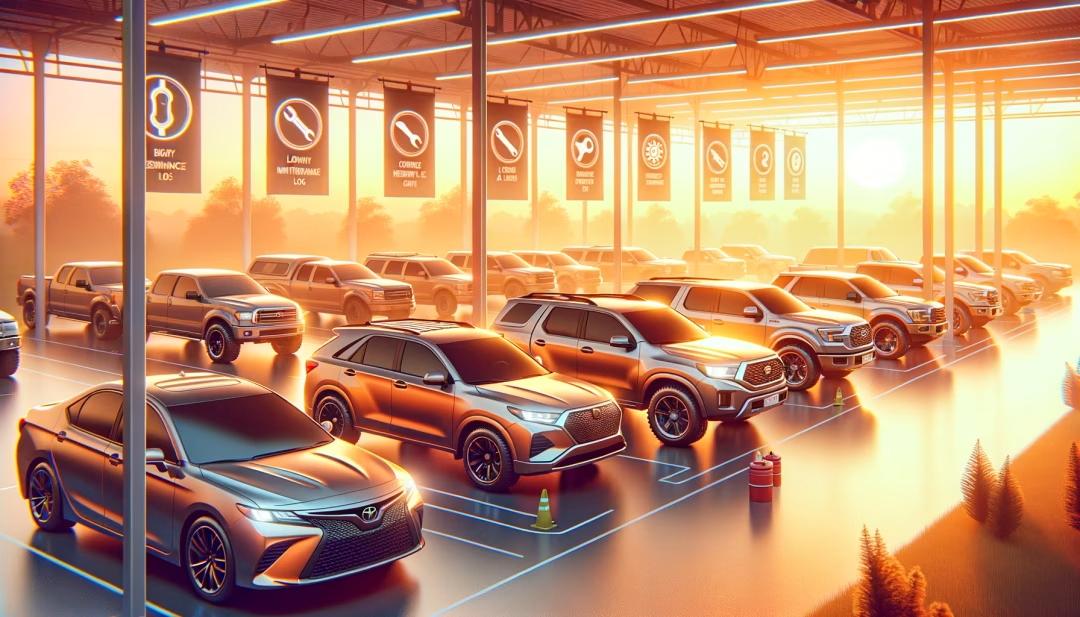
Long-lasting vehicles share predictable traits. They use proven engines and transmissions, feature straightforward designs with widely available parts, and come with strong reliability records across multiple model years. Ownership habits matter too. A vehicle with consistent oil changes, timely fluid services, and prompt repairs will often outperform a newer but poorly maintained model. Below are key signals that a used car is built for the long run.
The following segments and examples are widely regarded for extended service life when maintained on schedule. Use them as a starting point, then compare years, trims, and conditions in used-inventory and model-specific guides like best-used-sedans, best-used-suvs, and best-used-trucks.
Sedans typically have lower running costs and gentler use cycles than trucks and SUVs. If your priority is high miles with low cost of ownership, start here and cross-reference with used-cars-with-lowest-maintenance-costs and used-cars-with-high-mpg.
Need family space that lasts? See best-used-3-row-suvs, best-used-family-cars, and used-vehicles-with-best-owner-ratings for deeper comparisons.
For work and towing needs, compare guides like best-used-vehicles-for-towing, best-used-trucks-for-work, and most-reliable-used-trucks.
A careful inspection is your best investment. In addition to a professional pre-purchase inspection, use the checklist below. Then consult our step-by-step resources: used-car-buying-checklist, used-car-inspection-checklist, and how-to-buy-a-used-car.
Is age or mileage more important? It depends on maintenance and usage. A highway-driven vehicle with 160,000 miles and perfect records can outlast a city-driven car with 90,000 miles but irregular service. Consider your needs: daily commuting, family trips, or light towing. Then test how the candidate vehicle feels on your typical routes. For more planning help, see best-used-cars-for-commuters, best-used-cars-for-long-distance-driving, and used-cars-with-lowest-depreciation.
Naturally aspirated engines with conservative output, robust timing chains or well-maintained timing belts, and strong cooling systems typically prove durable. Conventional torque-converter automatic transmissions and well-engineered manual gearboxes often outlast complex units, provided fluid intervals are followed. Modern turbo engines can also last if serviced on schedule and not overheated, but they add complexity. If longevity is the top priority, prioritize simplicity and well-documented service history. For cost planning, review used-cars-with-lowest-repair-costs and used-cars-with-lowest-cost-of-ownership.
Hybrids from reliability leaders can run hundreds of thousands of miles with proper maintenance. Battery longevity depends on temperature exposure, charging habits, and software management. Electric vehicles have fewer moving parts but rely on battery health and thermal management. If you are considering electrified options, compare best-used-hybrid-cars, best-used-electric-vehicles, and budget guides like best-used-hybrid-cars-under-20000 and best-used-electric-cars-under-25000.
Longevity is earned in the service bay. Follow the factory schedule, use quality fluids and filters, and address small issues before they become major. Keep records organized and store them with the vehicle. For ongoing care, our team can help with routine service planning through schedule-service. Here are practices that pay off:
Total cost of ownership includes the purchase price, financing, insurance, fuel, maintenance, and eventual resale. Long-lasting cars often command higher prices because demand is strong, but they can save money over time. Use our tools to plan: payment-options, applications, and valuation resources like value-my-trade. To explore values by segment, visit used-cars-with-best-resale-value and used-cars-with-best-long-term-value.

