
Buying smart means looking beyond the sticker price. This page highlights used cars that hold their value, so you can keep more money when it is time to sell or trade. Depreciation is the largest ownership cost for most drivers, but some models resist it thanks to strong reliability, low operating costs, and high demand. From capable trucks and adventurous SUVs to efficient sedans, value retention varies by brand, model year, trim, and condition. Use this guide to compare segments, learn what truly drives resale strength, and explore related research across our site. For deeper comparisons, see used-cars-with-best-resale-value, used-cars-with-low-depreciation, and most-reliable-used-cars. When you are ready to explore live vehicles, browse used-inventory and review sold-inventory for real world pricing context. You can also review our research-page-template for more model specific breakdowns and used-car-depreciation-guide for a detailed overview of how and why prices move over time.
Resale value is the result of reliability, demand, condition, mileage, service history, and smart options. Use the tips below to identify trims that keep value in your budget, compare fuel economy and safety features, and check maintenance records. Estimate your current vehicle value on value-my-trade, review payment-options and applications, and explore used-car-warranty-guide for long term protection insights. For segment picks, see best-used-sedans, best-used-suvs, and best-used-trucks.
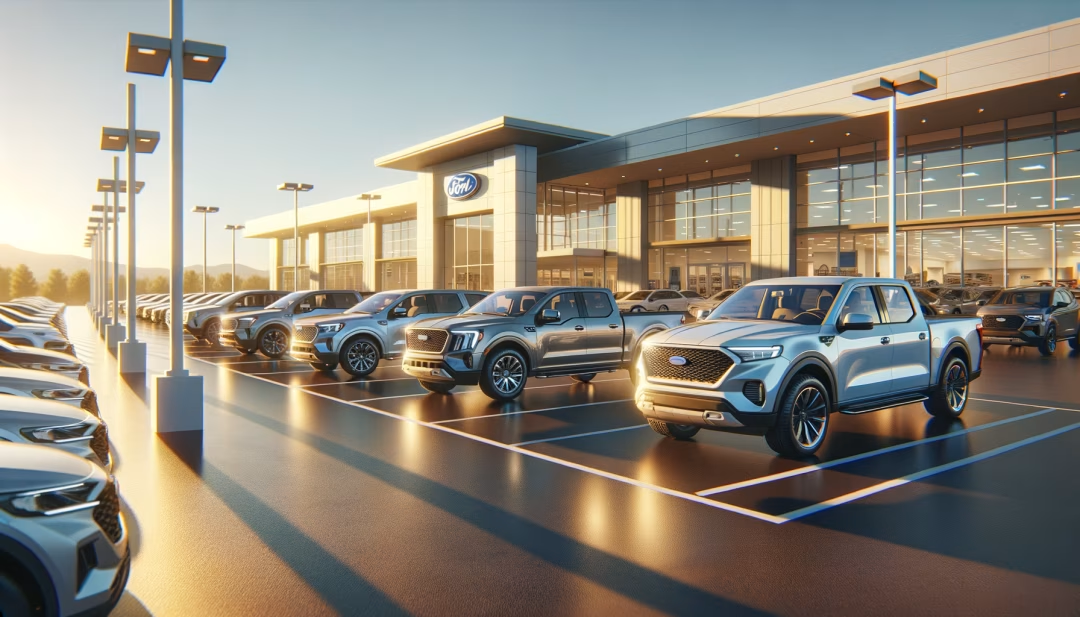
Cars that hold value well share a handful of traits: proven reliability, low cost to maintain, strong owner satisfaction, versatile performance, and consistent market demand. Popular body styles and trims with broad appeal tend to resell faster and closer to their purchase price. Solid crash test scores, modern driver assistance features, good fuel economy, and a reputation for long life further support resale strength. Below are the key factors to watch.
While individual condition matters, certain vehicle types typically perform better on resale. Compact and midsize sedans known for reliability, compact and midsize SUVs with strong demand, and midsize pickups tend to top the lists. The examples below are not inventory promises but are common high value choices based on historical trends and owner data.
Demand often stays strongest for trims with all wheel drive, proven automatic transmissions, and balanced feature packages. Highly specialized or rare trims may look exciting but can narrow future buyer interest. Focus on configurations that are easy to maintain and insure, with parts that are widely available. For insurance cost comparisons, see best-used-cars-with-low-insurance-costs.
A little homework goes a long way. Use a structured process to forecast value retention and avoid surprises later. Verify quality, estimate ownership cost, and compare demand indicators to select the right trim and model year for your needs.
Resale value is not set in stone. The way a vehicle is maintained and used can add thousands to its future trade or sale price. Keep thorough records and follow the service schedule listed in the owners manual. Consistent care helps confirm condition for future buyers and pricing tools.
You can find high value keepers at many price points. In the sub 10000 range, prioritize simple, well maintained models from brands with strong reliability records. Between 10000 and 20000, late model compacts and select compact SUVs often pair great fuel economy with steady demand. From 20000 to 30000, look for low mileage, well equipped SUVs and midsize pickups with clean histories and service documentation. Explore budgets by topic with best-used-cars-under-10000, best-used-cars-under-15000, best-used-cars-under-20000, and best-used-luxury-cars-under-30000. If efficiency is a priority, see used-cars-with-high-mpg and best-used-hybrid-cars-under-20000.
Three to five year old vehicles frequently offer the best blend of remaining life, modern safety tech, and slower depreciation. Ten year old models with documented care can also deliver excellent long term value if parts remain affordable and widely available. Compare timelines on best-3-year-old-used-cars, best-5-year-old-used-cars, and best-10-year-old-used-cars. When comparing mileage, think in terms of cost per remaining mile rather than a hard cutoff. A higher mileage vehicle with one owner and complete records can be a stronger value than a lower mileage example with gaps in service history. For more, review used-cars-with-low-mileage-value and used-cars-with-best-long-term-value.
In periods of rising fuel prices, efficient vehicles tend to retain value better. Hybrids with proven battery longevity and moderate replacement costs often command strong resale. Pure electric vehicles may experience faster technology driven depreciation, but models with long range, fast charging, and transferable battery coverage can hold value in markets with robust charging networks. Compare categories on best-used-hybrid-cars, best-used-electric-vehicles, electric-vs-hybrid-used-cars, used-cars-with-best-highway-mpg, and used-suvs-with-best-mpg.
Resale value is local. All wheel drive SUVs and trucks often command premiums in snow belt regions and mountain markets, while fuel efficient compact cars may sell faster in dense urban areas. Towing focused trucks and SUVs can be strongest in regions with boating and camping. If you live in areas with severe winters, compare best-used-vehicles-for-winter-driving, best-used-cars-for-snow, and best-used-3-row-suvs. For towing needs, see best-used-vehicles-for-towing and best-used-trucks-with-best-towing-capacity. Watching used-car-demand-by-state and used-car-prices-by-year can reveal the best time to buy or sell in your area.
A complete paper trail helps you purchase confidently and resell at a fair price. Save the buyers guide, inspection report, service receipts, and lien or title documents. If you finance, choose a structure that supports your resale horizon. Longer loans can be attractive but may outlast your ideal ownership window. For planning, review how-does-used-car-financing-work, used-car-loan-interest-rates, payment-options, applications, what-credit-score-is-needed-to-finance-a-used-car, and how-to-get-approved-for-a-used-car-loan. When you are ready to estimate your exit value, use value-my-trade, how-to-value-a-used-car, and how-to-check-used-car-history.
Below are example categories frequently cited for strong resale performance. Availability and pricing vary by local market and condition, so always review inspection and pricing data for any specific vehicle under consideration.
Use the links below to continue your research and compare real inventory, ownership costs, and financing details.
Historically, reliable compact and midsize SUVs, midsize pickups, and proven compact sedans show strong value retention. Focus on models with top reliability scores, modern safety tech, and broad demand. Use used-cars-with-best-resale-value and most-reliable-used-cars to build a shortlist.
Study depreciation curves for the model and segment, review reliability and recall data, and compare regional demand. Estimate a 2 to 5 year resale price using how-to-value-a-used-car, value-my-trade, and used-car-depreciation-guide, then subtract estimated maintenance and insurance costs.
Both matter, but documented condition often tells the stronger story. A well maintained vehicle with complete records can outrank a lower mileage car with gaps in service. Combine mileage, inspection results, and ownership history for a complete picture. See used-car-inspection-checklist.
Hybrids with proven battery reliability and strong mpg typically retain value well, especially when fuel prices rise. Electric car resale varies with range, charging speed, and battery warranty. Review best-used-hybrid-cars and best-used-electric-vehicles to compare trends in your area.
Follow the maintenance schedule, save receipts, avoid heavy modifications, keep tires and brakes in top shape, and address recalls quickly. Clean regularly and document everything. When you plan to sell, present a clean file of service records and inspection results to support pricing.
Certified pre owned vehicles include inspections and extended coverage that can support buyer confidence at resale. However, non certified cars with complete service histories can perform similarly. Compare total cost, warranty terms, and inspection scope. See certified-pre-owned-vs-used for details.
This guide is designed to help shoppers understand why some used cars hold their value better than others and how to identify the right fit by budget and lifestyle. For more dealership information, visit about-us, meet-our-staff, bios, locations, and blog. For policies and terms, see privacy-policy, visitor-agreement, and terms.

